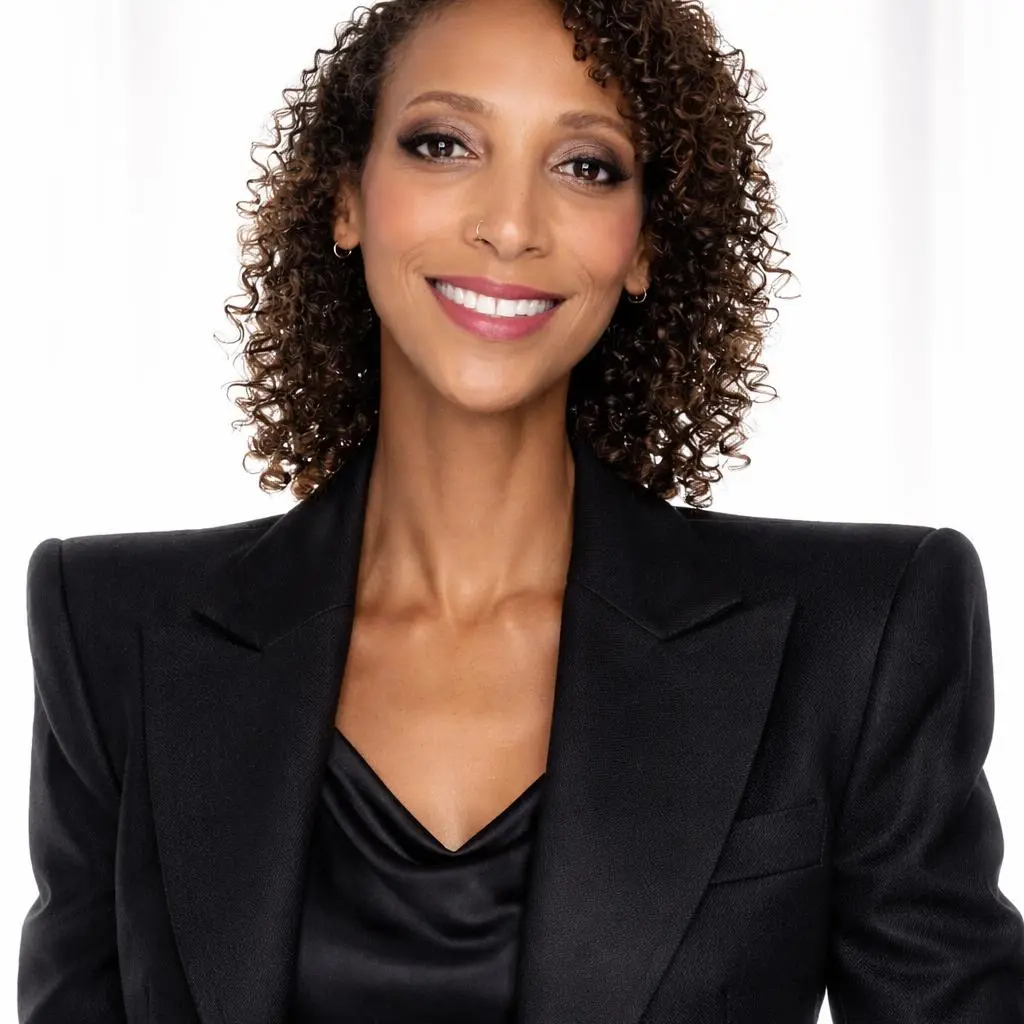
Founder StoryHello, soldiers and civilians!
I am Silena Dunaway, the founder and executive director of Veterans Against Military Sexual Trauma (VetM.A.S.T.), a nonprofit whose mission is to bring awareness, foster support, and ignite change in the lives of active duty members or military veterans who have endured sexual abuse, sexual harassment, or any extreme physical or mental mistreatment. Not stopping there, we also support the significant others and children of MST survivors.
I am a proud veteran of the U.S. Army. I served three years on active duty and was deployed in Germany before being honorably discharged in 1991. A native of Dayton, Ohio, I now reside in Wake County, North Carolina, where I enjoy being part of the community. I grew up with five older brothers, one younger sister, and one younger brother.
My journey to the armed forces began at the age of 22, when I wanted to provide a better life for my five-year-old son. I enlisted alongside my 19-year-old cousin. What I encountered while serving in the military was something that I never expected: persistent sexual harassment.
It all began when I was in Advanced Individual Training in 1989 at Fort Jackson in Columbia, South Carolina. That’s where a drill sergeant made a comment about the size of my breasts. Having grown up with six brothers and male cousins, I tried to brush aside the comment by responding, “my man likes them.” The drill sergeant’s insensitive response? He ordered me to get down on the floor and do diamond push-ups.
Soon afterward, I was labeled as having an “attitude,” but my determination and resolve not to be bullied or intimidated enabled me to persevere and survive in the Army.
My first overseas deployment was in Gelnhausen, Germany. It was a small military post with less than six units that housed the troops, including a coed unit. The entire company was on one floor that housed the administrative offices and living quarters. While stationed in Germany, I faced repeated instances of sexual harassment and was targeted for sexual assault.
After my discharge in July 1991, I entered the Air Force reserves. I briefly enrolled in college but then changed course, working for Ohio Emissions Testing Company as a mechanical electronic technician. I also pursued studies in radio and television broadcasting while interning at a radio station in Ohio.
In 1998, I was diagnosed with post-traumatic stress disorder while seeking treatment at the Veterans Administration (VA) in Ohio. A year later, I moved to Cumberland County, North Carolina. In 2004, a Pandora’s box was opened, revealing the true source of my struggle: my PTSD was a consequence of being a victim of sexual trauma while enlisted in the military. During that time, I participated in individual therapy through the VA in Cumberland County.
In 2014, after relocating to Wake County, I started group therapy sessions through the VA focused on sexual trauma, which were very helpful. In 2020, after the heinous death of Army Specialist Vanessa Guillén at Fort Hood, Texas, I was determined to no longer be a victim. Fort Hood was my last duty station before I was discharged. I vowed to help raise awareness for incoming soldiers and others—active duty members and veterans who have been targets of sexual trauma while serving in the military.
This commitment sparked the idea of starting VetM.A.S.T.
During the pandemic, I joined recreational therapy through the VA and met other veterans with whom I discussed military sexual trauma and PTSD. It became clear that the greater public needs to be made aware of the issue. That’s when God ordered my steps to start VetM.A.S.T, which was launched in March 2023. God continues to guide me in this essential work.
In addition to leading VetM.A.S.T., I serve as Program Director of Military Services, providing trauma-informed advocacy, domestic violence and sexual assault support, crisis intervention, and family-centered services for active-duty service members, veterans, spouses, caregivers, and military families. I also collaborate with nonprofit partners to strengthen survivor support, education, and community outreach.